
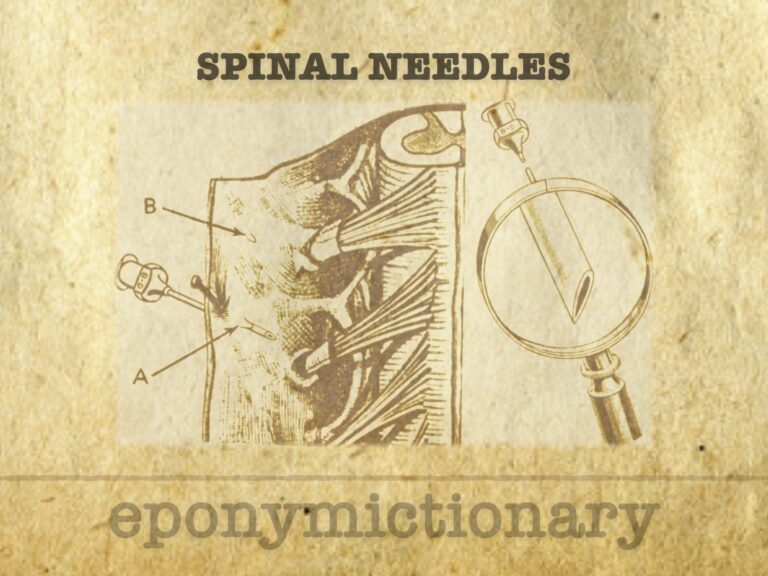
History of Spinal Needles
History of spinal needles from early lumbar puncture and Quincke cutting bevels to Greene, Whitacre and Sprotte atraumatic designs reducing PDPH.

History of spinal needles from early lumbar puncture and Quincke cutting bevels to Greene, Whitacre and Sprotte atraumatic designs reducing PDPH.
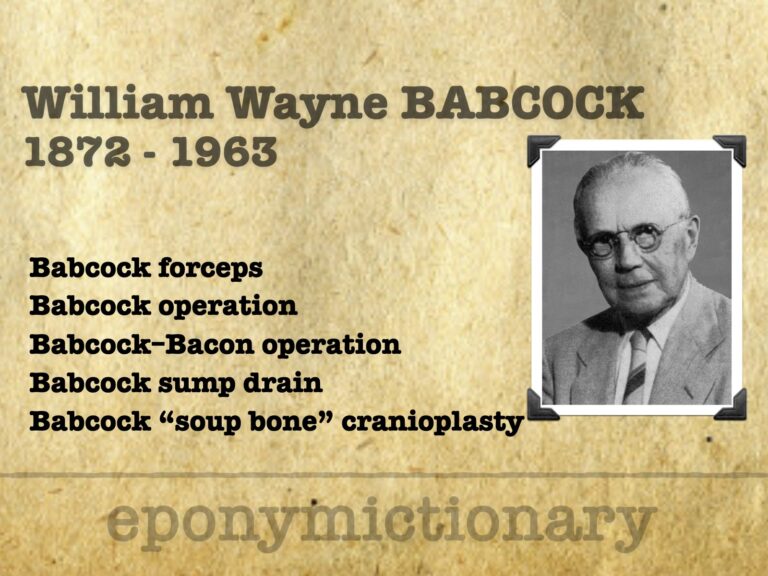
William Wayne Babcock Jr (1872-1963), American surgeon linked to spinal anaesthesia, Babcock forceps, vein stripping, cranioplasty and surgical innovation.
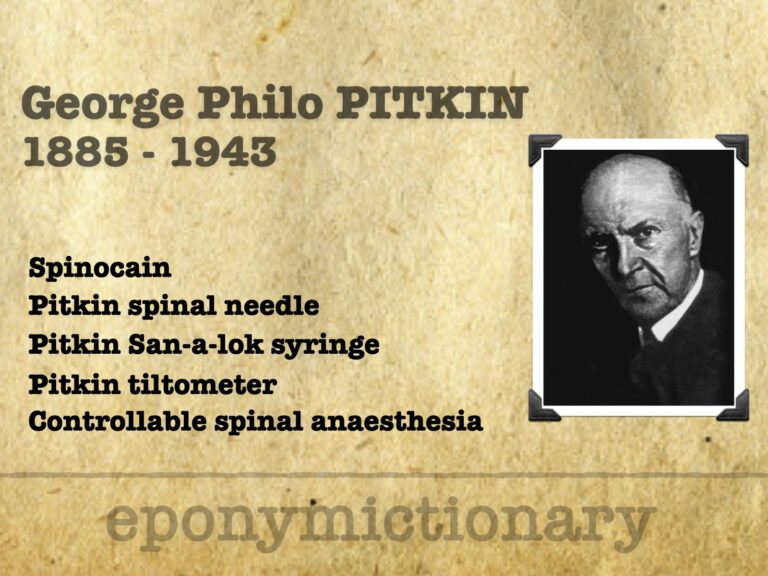
George Philo Pitkin (1885-1943), American surgeon. Inventor of Spinocain, Pitkin spinal needle, syringe and tiltometer for controllable spinal anaesthesia.
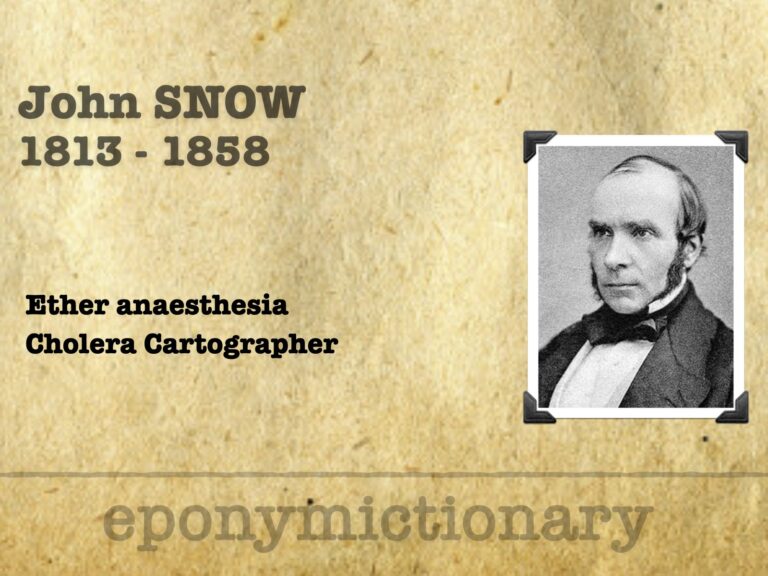
John Snow (1813-1858), English physician. Pioneer of anaesthesia and epidemiology. Defined etherization stages and traced cholera outbreaks to contaminated water in London.
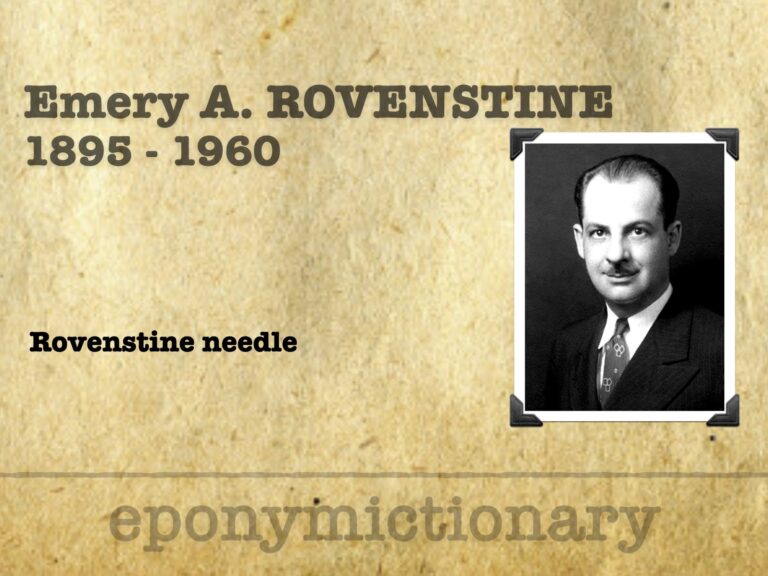
Emery A. Rovenstine (1895–1960), American anaesthesiologist linked to directional spinal needle, nerve block and geriatric anaesthesia.
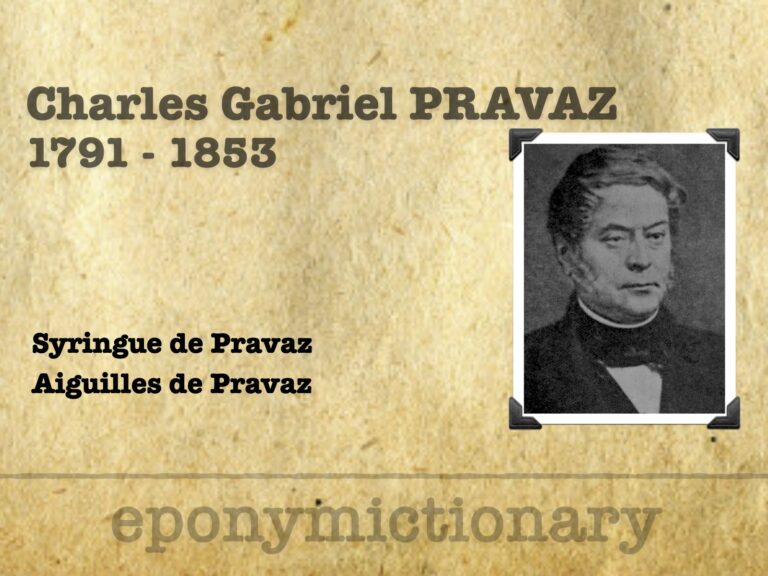
Charles Gabriel Pravaz (1791–1853). French orthopaedic surgeon developed the Pravaz syringe, an early controlled injection device for aneurysm treatment.
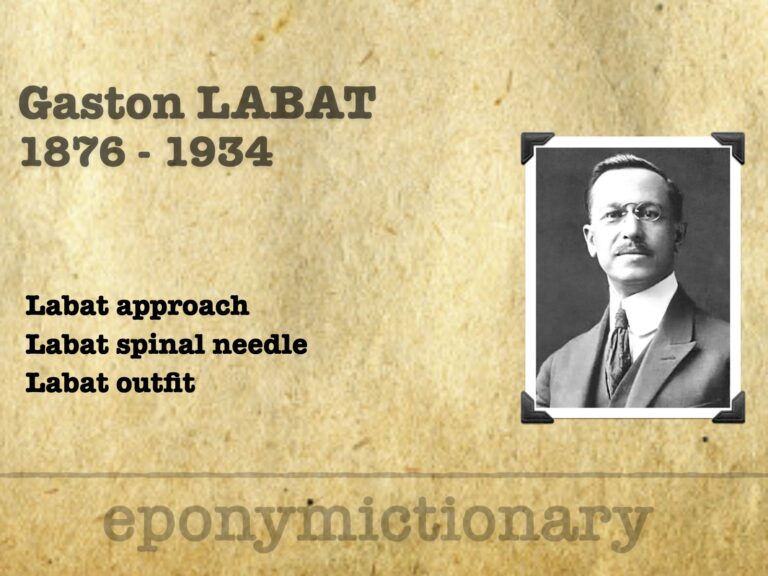
Gaston Labat (1876–1934). Regional anaesthesia pioneer, author of Regional Anesthesia, founder of ASRA, and namesake of the Labat sciatic block, Labat spinal needle and Labat outfit
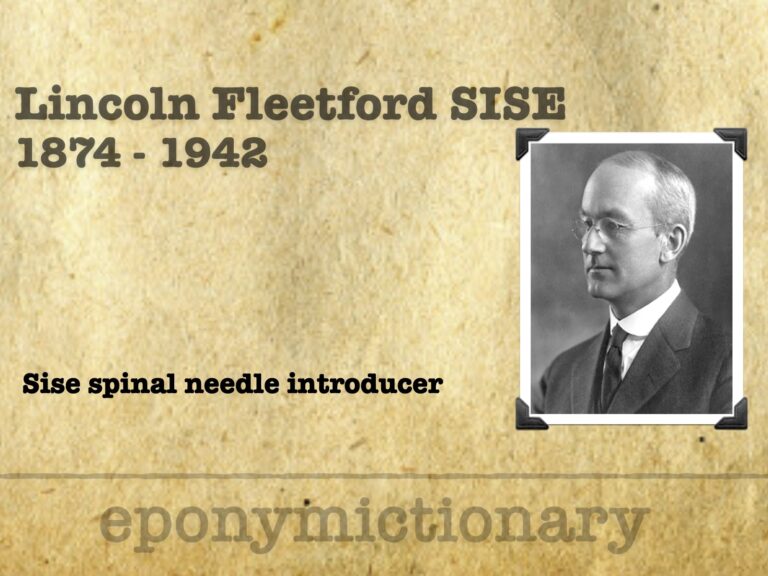
Lincoln Fleetford Sise (1874-1942). Lahey Clinic anaesthetist known for fine-gauge spinal needle introducers and safer spinal anaesthesia.

Barnett Alan Greene (1907-1999) American anaesthesiologist. Use of fine-gauge obstetric spinal needles and reducing post-spinal headache.

Herbert Merton Greene (1878-1962), American physician who linked post-lumbar puncture headache to dural trauma and designed the Greene needle
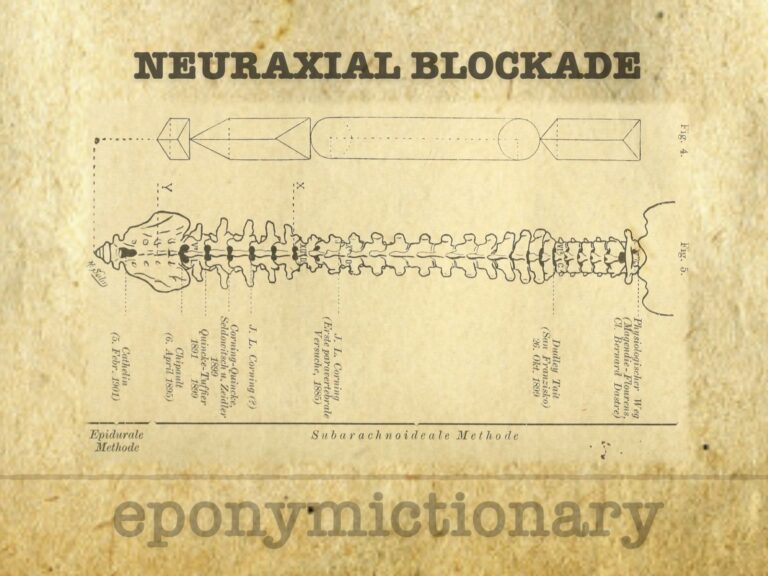
History of neuraxial anaesthesia: milestones in spinal and epidural blockade from Koller and Corning to Quincke, Bier, Tuohy and Curbelo.
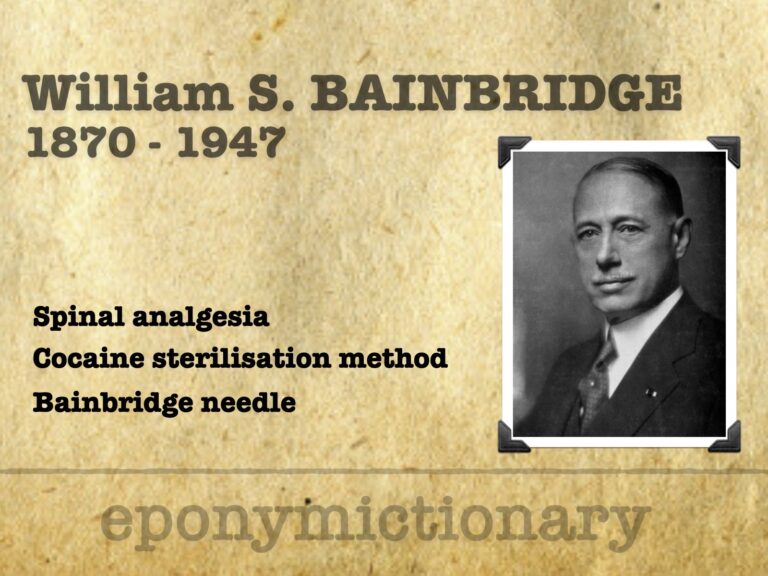
William Seaman Bainbridge (1870-1947), American surgeon, cancer educator, naval physician and early advocate of spinal analgesia in children.